01
Context mapping
We align toolkit components to user type, site conditions, and learning goals.
Growth 1
Product Detail
A practical, educational resource for individuals, schools, and organisations to actively support biodiversity.
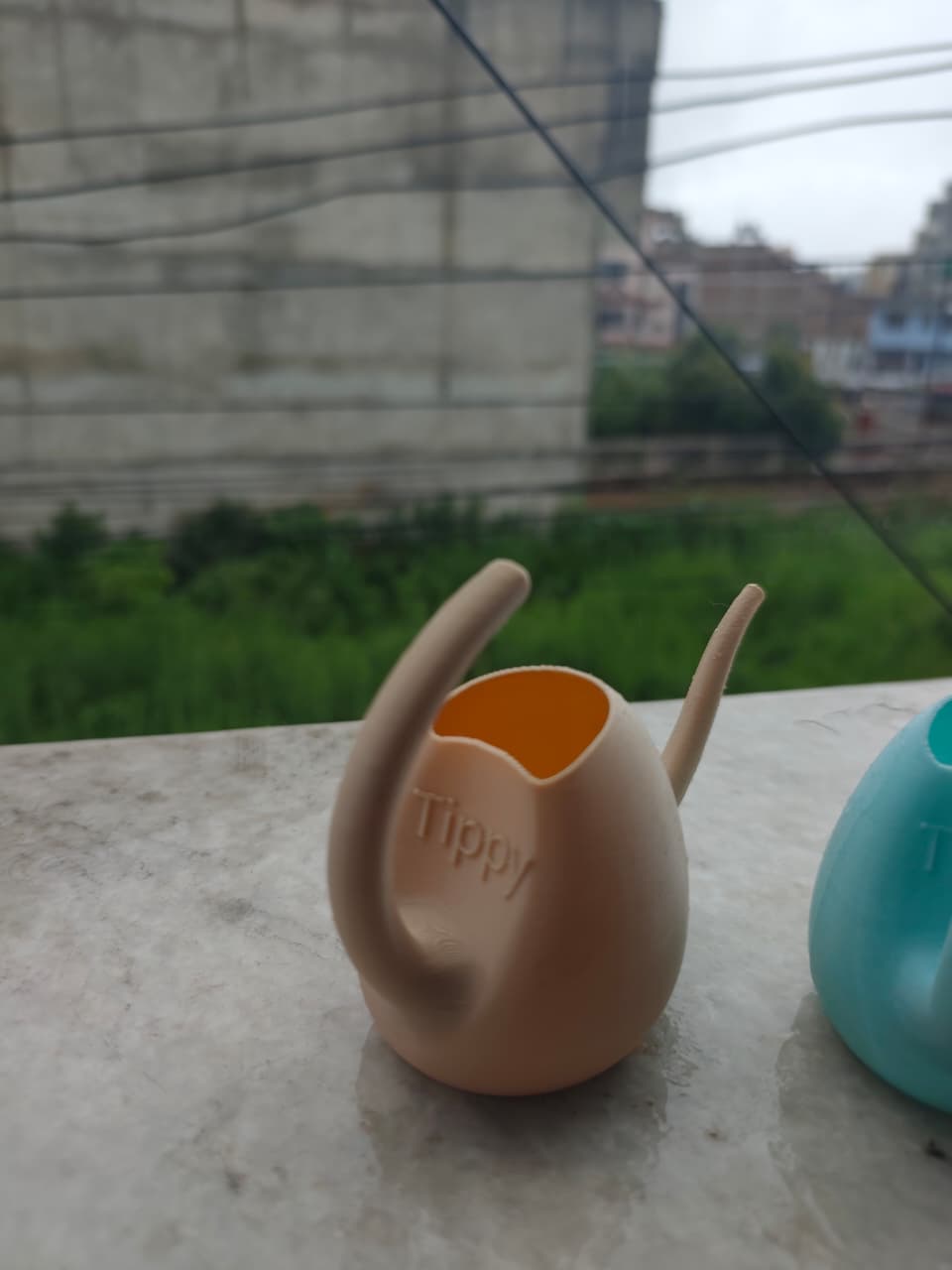
Product preview
Includes native plant guides, planting materials, and community resources rooted in indigenous ecological knowledge.
What this product line offers
The Biodiversity Toolkit helps people move from awareness to action with practical materials and clear local guidance. Tippy is included within this category as a learning-friendly tool.
The layout stays product-led: a strong hero, a compact spec lead, and a clear feature hierarchy.
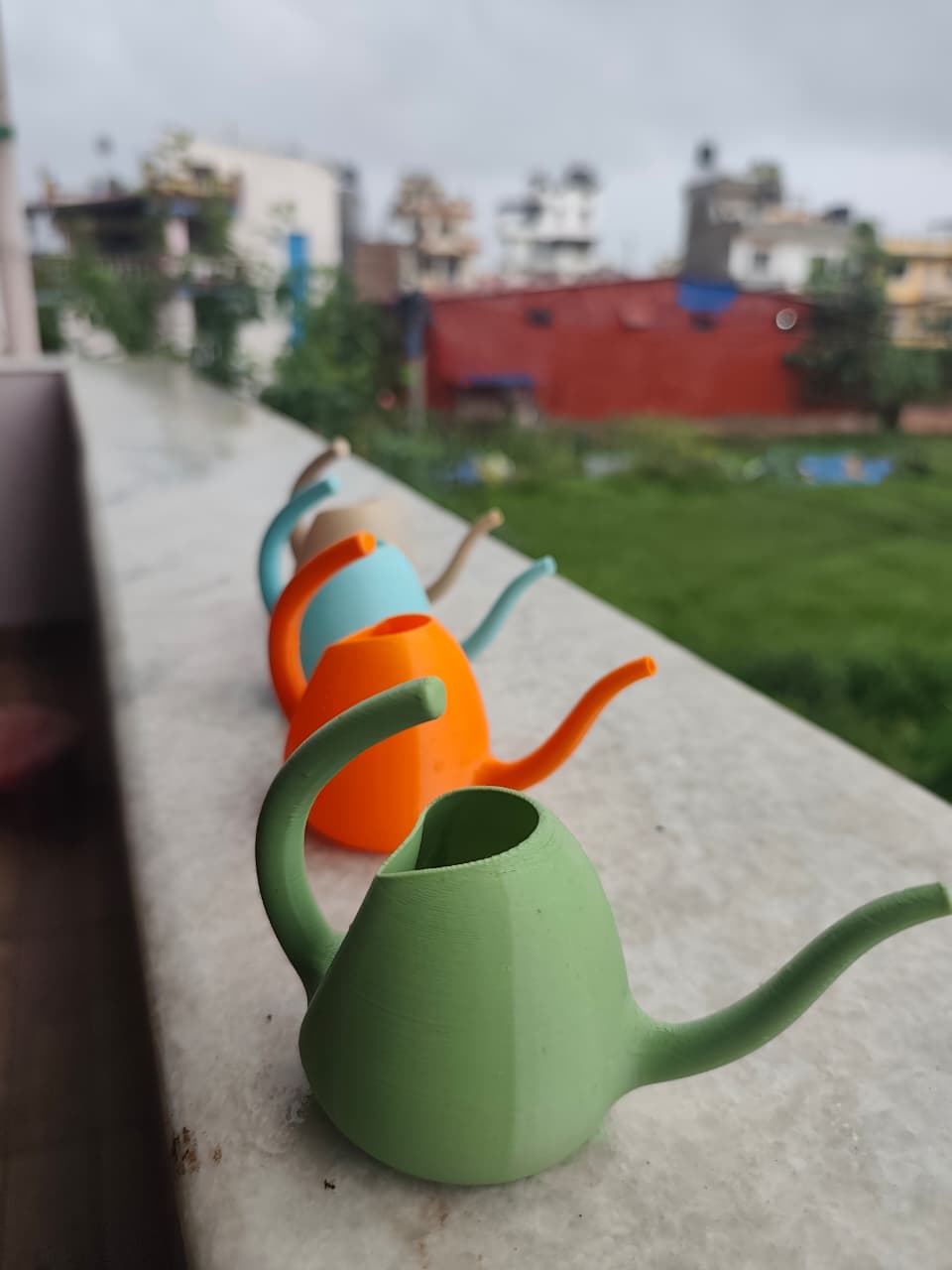
Primary product view
The right side now holds a single image, so this row reads like a proper product showcase.
01
Action-ready resources
02
Indigenous ecological grounding
03
Category includes Tippy
Our philosophy
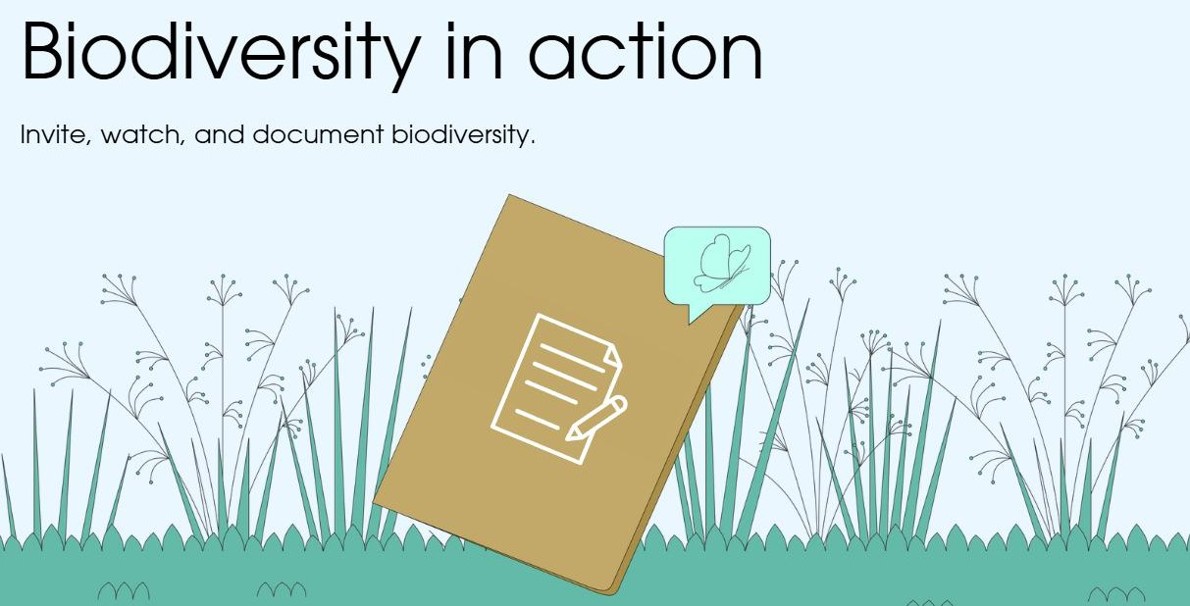
At Mulin, we believe that nurturing biodiversity starts with seeing, noticing, and caring. Our Biodiversity Toolkit invites people to observe, document, and connect with the life around them — because when we pay attention, we begin to protect. Whether it's watching birds, tracking insects, or sketching plants, we encourage everyone to become a part of the landscape's story.
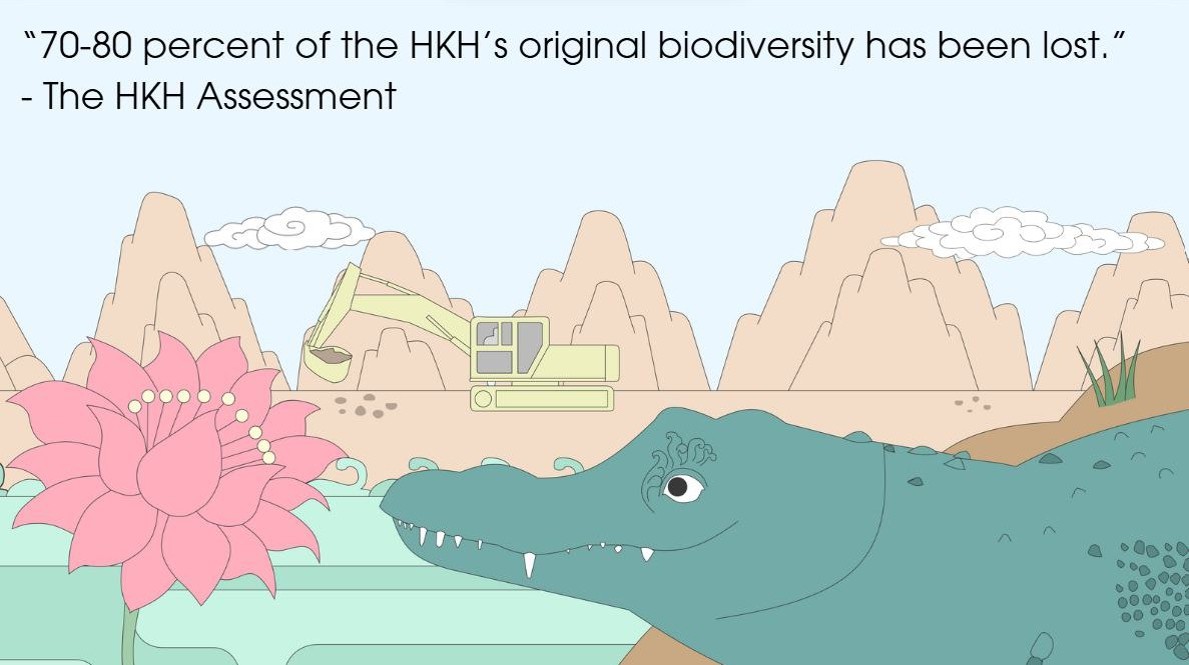
Excerpt from an initial design for Biodiversity Toolkit
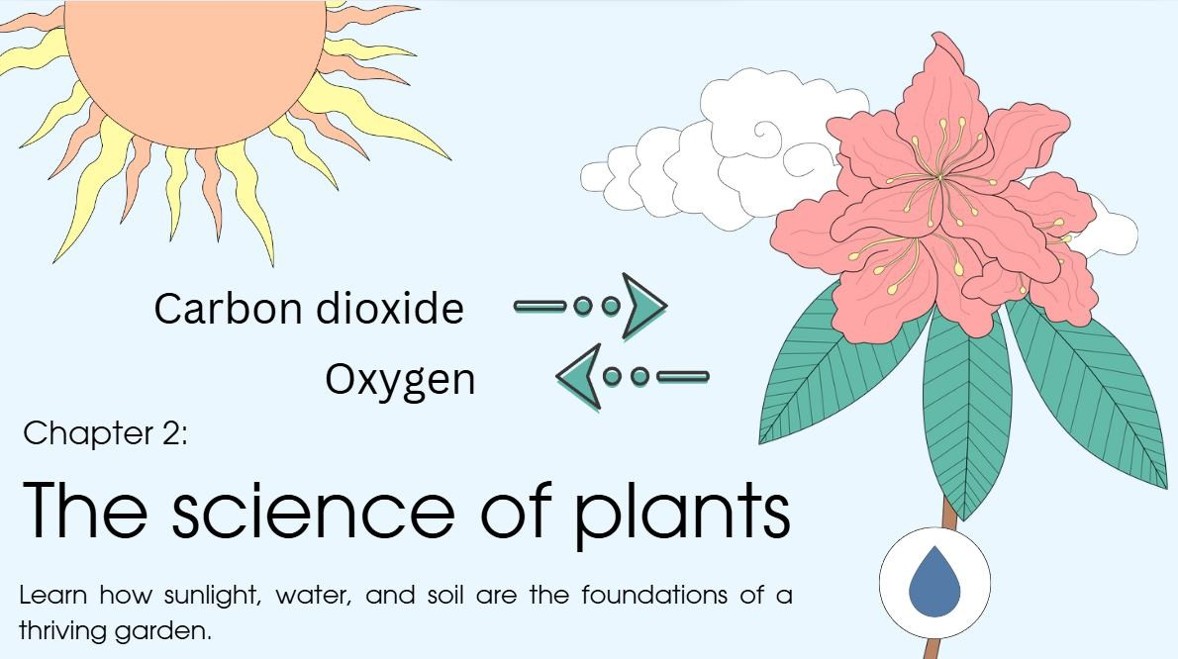
At Mulin, we believe that caring for nature begins with deep understanding. Our approach to biodiversity is rooted in science, guiding us to see plants not just as decorations, but as living systems that shape and sustain ecosystems. By studying how plants grow, adapt, and interact, we design landscapes that are resilient, regenerative, and rich in life.
Excerpt from an initial design for Biodiversity Toolkit
At Mulin, we don't see biodiversity as a passive idea — it's a living, urgent call to action. Our work is grounded in current environmental realities, and we design with a deep understanding of the crises and opportunities of our time — from habitat loss to climate change. We believe design is a tool for activism. Every plant we choose, every system we restore, is a step toward healing ecosystems.
Excerpt from an initial design for Biodiversity Toolkit
How we deliver
01
We align toolkit components to user type, site conditions, and learning goals.
02
We combine native guidance, materials, and practical learning supports.
03
We guide rollout through simple actions and workshop-style engagement.
Expected outcomes
The ending stays product-like and conclusive, with enough visual weight to feel intentional.
Start the conversationPeople understand local species needs and ecosystem relationships.
Communities create and maintain biodiversity-supportive micro-environments.
Accessible tools help users keep nature-positive habits over time.
Subcategories