01
Performance diagnostics
We assess existing conditions across carbon, biodiversity, and nature-based indicators.
Foundation
A focused starting point that defines the standards before the rest of the project decisions lock in.
Assessment / Advisory
A structured assessment and advisory service that measures the environmental performance of interior and exterior spaces.
carbon footprint
biodiversity impact
improvement roadmap
Service Preview
We help clients understand their carbon footprint, biodiversity impact, and nature-based solution potential and how to improve each one.
What we focus on
Our rating system makes environmental performance visible, comparable, and actionable so clients can make informed design and operations decisions.
We assess existing conditions across carbon, biodiversity, and nature-based indicators.
A consistent structure helps teams benchmark and track progress over time.
Clients receive clear steps to improve outcomes in each impact area.
We assess existing conditions across carbon, biodiversity, and nature-based indicators.
Foundation
A focused starting point that defines the standards before the rest of the project decisions lock in.
A consistent structure helps teams benchmark and track progress over time.
Clients receive clear steps to improve outcomes in each impact area.
Our methodology
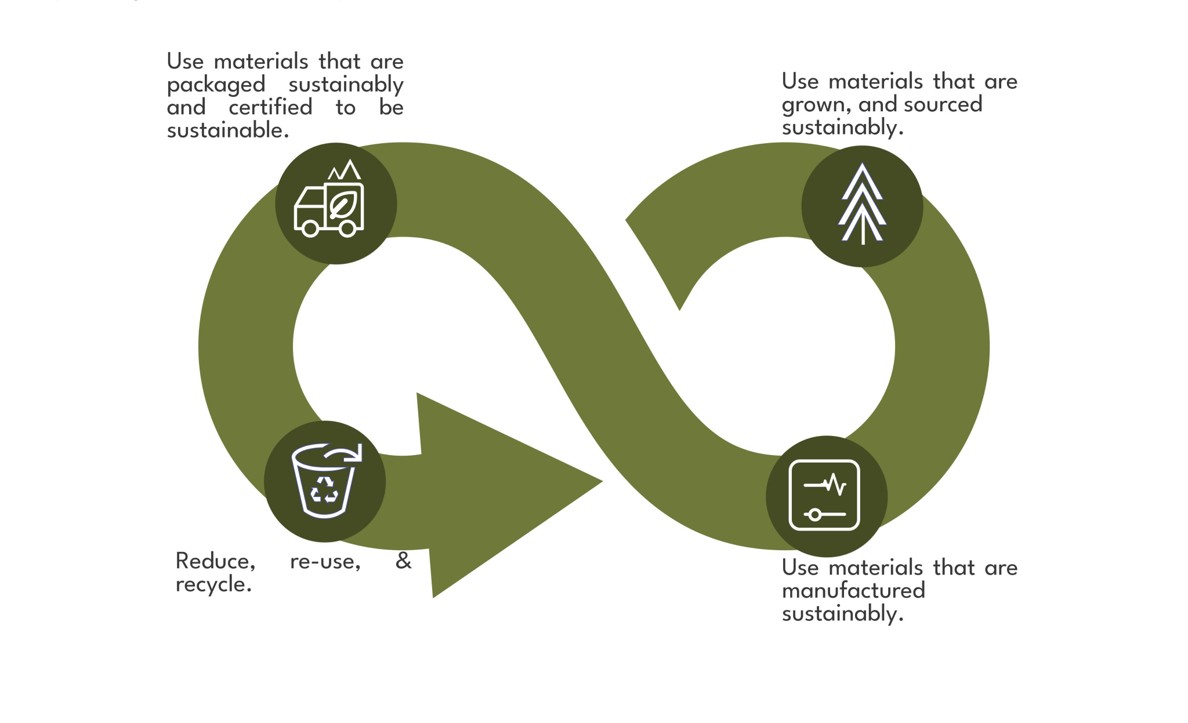
At Mulin, we believe that what we build today should not become tomorrow's burden. That's why we consider the entire lifecycle of materials and systems we introduce into a site — from extraction and manufacturing to use, maintenance, and eventual return to the earth. Our Lifecycle Assessment (LCA) approach helps us choose low-impact, durable materials that minimize carbon footprint and resource use.
Stages of sustainable lifecycle of materials
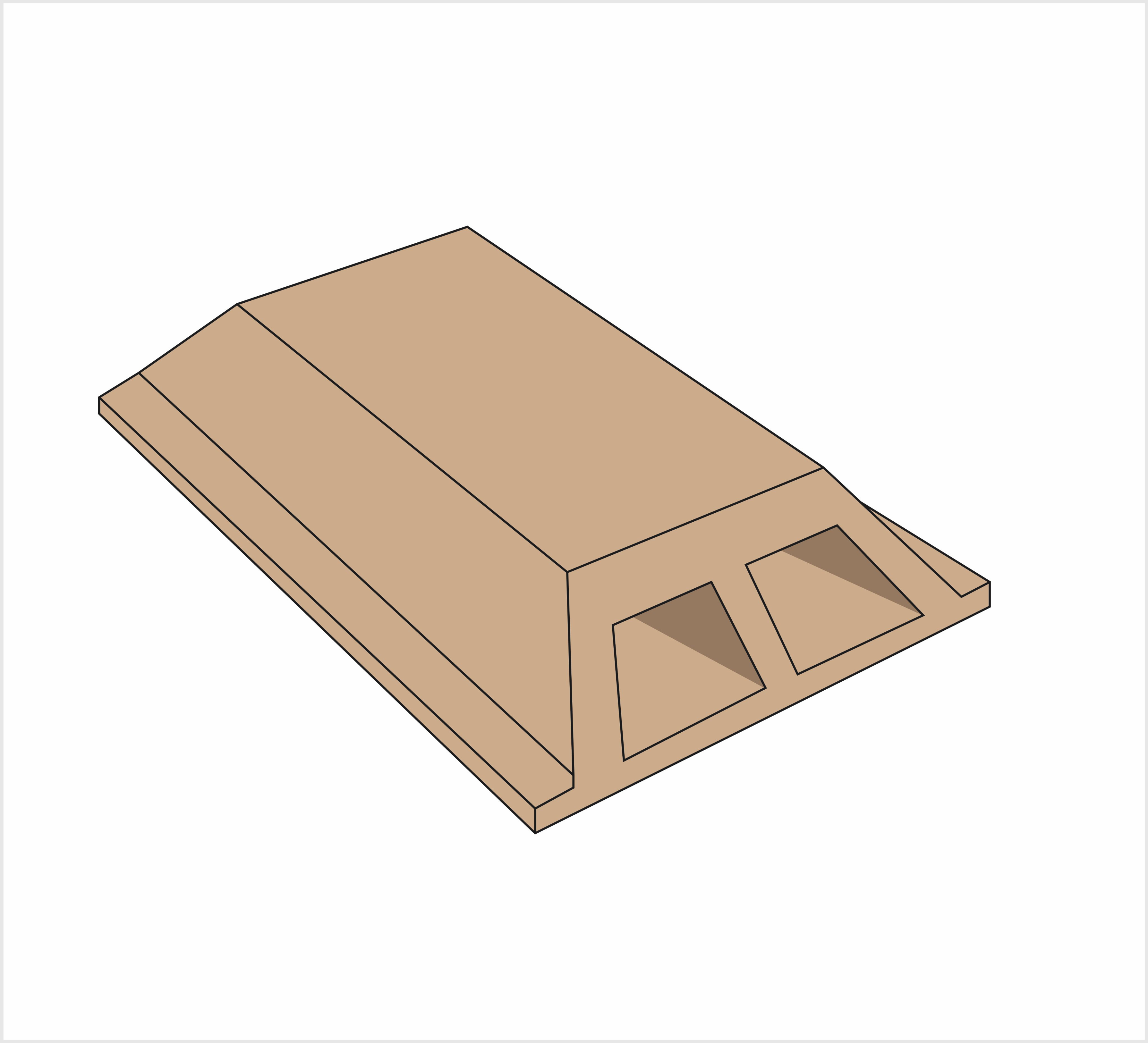
At Mulin, we believe that the materials we choose are not just functional — they tell stories of place, people, and tradition. By working with locally crafted materials like hollow clay blocks, we support regional artisanship, reduce environmental impact, and create buildings that breathe with the climate. Our approach to local crafts allows us to use natural, breathable materials that regulate heat and moisture, reducing the need for artificial systems.
Hollow clay block
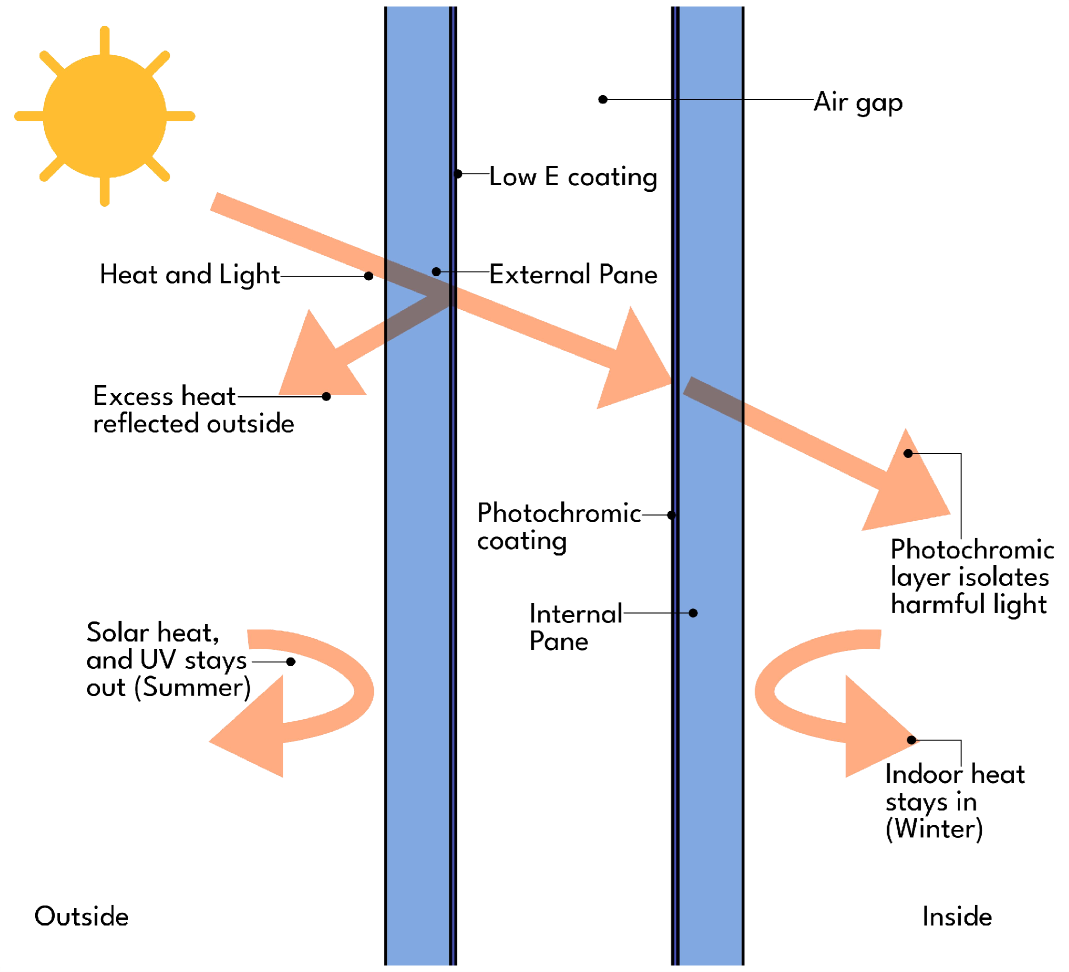
At Mulin, we believe that energy efficiency starts with design, not just technology. By choosing materials that work with the climate — like Low-E (low-emissivity) coated windows — we reduce the need for artificial heating and cooling, creating spaces that are naturally comfortable and sustainable. Our approach focuses on passive design solutions that optimize light, air, and heat — reducing dependency on mechanical systems.
Low E Coating and Photochromic Coating on Double Glazed Window
Scope of support
Sustainable building starts with understanding the full impact of every material and system.
We gather key environmental and spatial inputs from the project.
Performance is evaluated against the rating framework.
We deliver a practical pathway for targeted improvements.
Expected outcomes
The page structure is intentionally calm so the content reads like a real project brief, even while the route is still being built out.
Start the conversationClients understand where performance is strong and where it must improve.
Investment and design choices are guided by measurable evidence.
Impact improvements can be tracked and communicated confidently.