01
Rooftop transformation planning
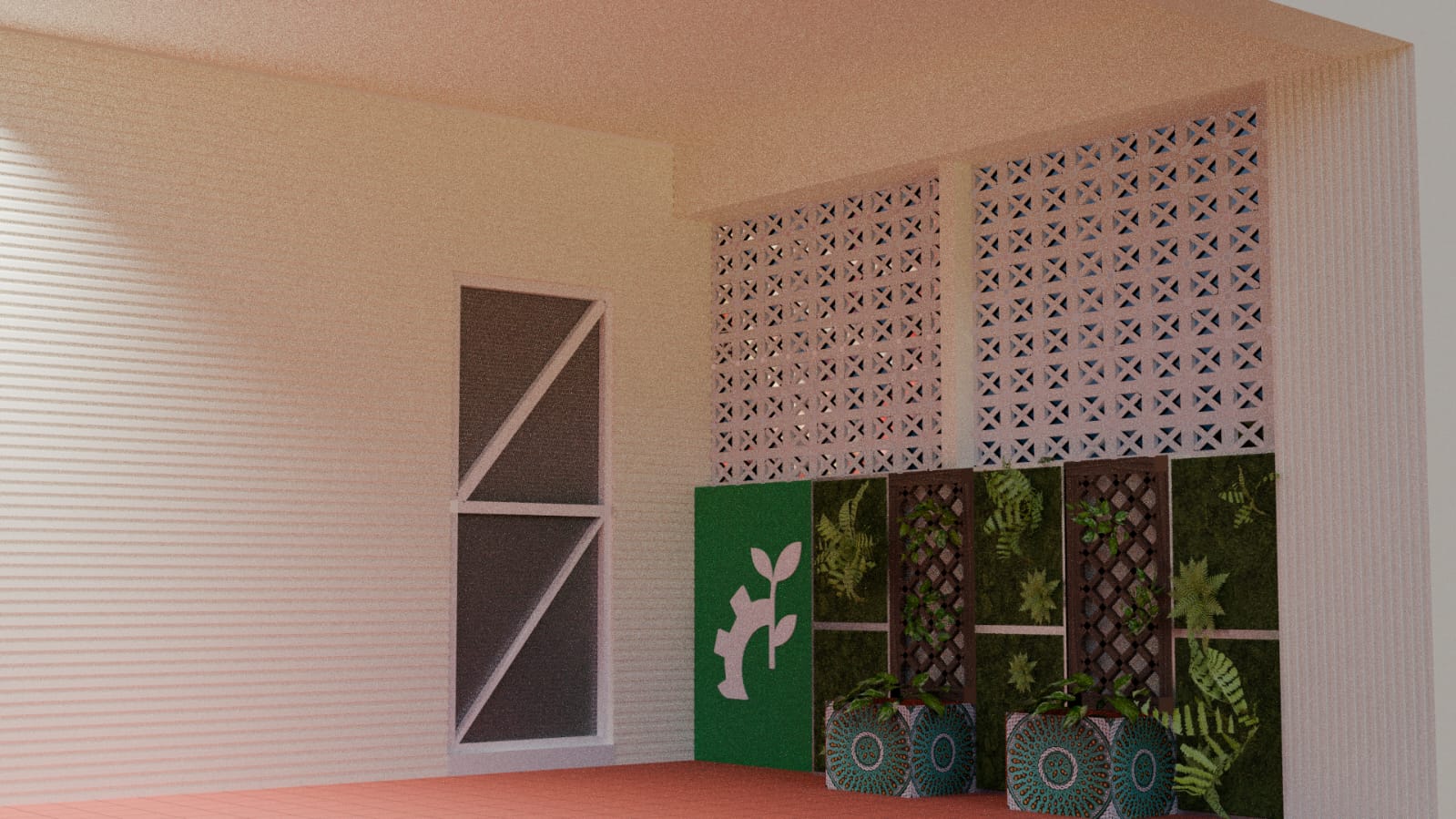
We convert underused roof areas into productive living environments.
Foundation
A focused starting point that defines the standards before the rest of the project decisions lock in.
Exterior Systems / Urban Ecology
Transforming underused rooftops and exterior spaces into productive green environments.
rooftop use
native species
ecological function

Service Preview
Our landscape designs combine aesthetic vision with ecological function, supporting native species while creating spaces people love.
What we focus on
We turn roofs and exterior zones into high-value green systems that support biodiversity, climate resilience, and better place quality.
We convert underused roof areas into productive living environments.
Plant palettes are selected for native support and long-term performance.
Spaces are built to be both ecologically useful and socially welcoming.
We convert underused roof areas into productive living environments.
Foundation
A focused starting point that defines the standards before the rest of the project decisions lock in.
Plant palettes are selected for native support and long-term performance.
Spaces are built to be both ecologically useful and socially welcoming.
Our methodology
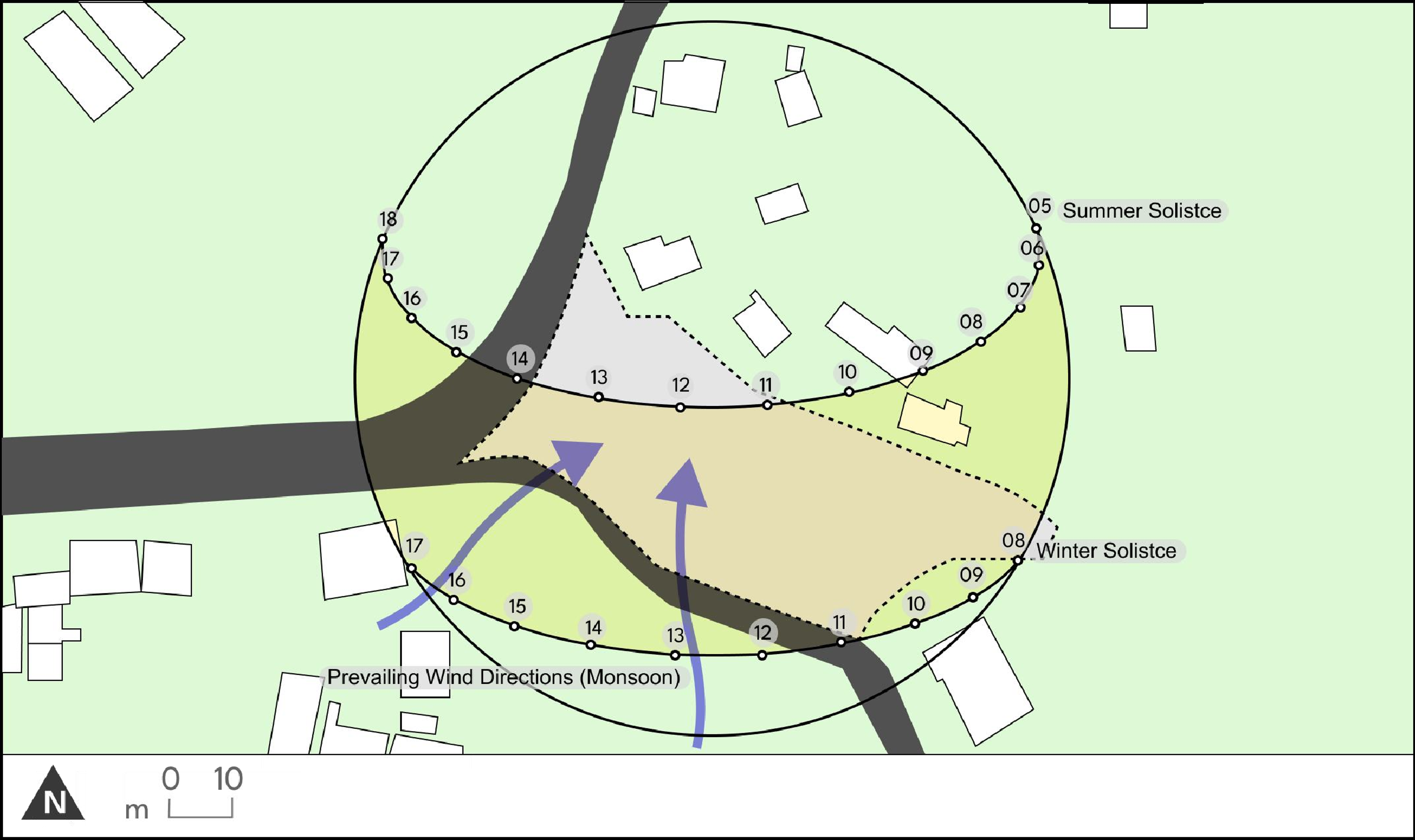
At Mulin, every project begins with a deep listening to the land. Before we design, we observe, analyze, and understand the living system of a site — its sun path, prevailing winds, microclimates, water flow, soil, and biodiversity. This diagram represents just one layer of that process — mapping the sun's journey and wind patterns — helping us to create spaces that are resilient, regenerative, and comfortable for both people and ecosystems.
Sun and Wind-path diagram reading of a site
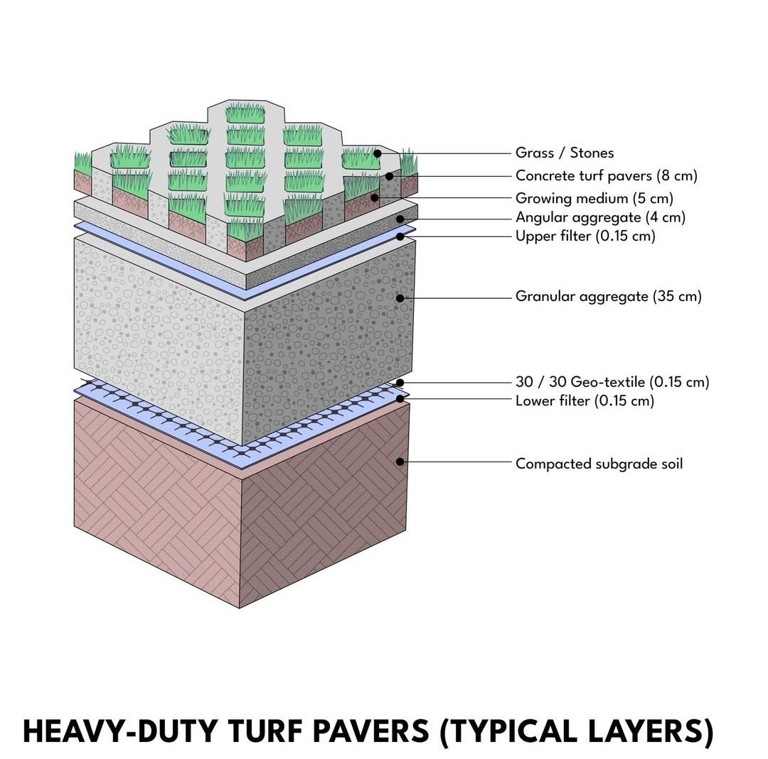
At Mulin, our landscapes are built to last — without compromising nature. We prioritize sustainable materials and systems that work with the environment to create beautiful, functional, and regenerative spaces. These heavy-duty turf pavers represent our commitment to permeable solutions that allow rainwater to return to the earth, reducing runoff and supporting healthy soils, durability and low maintenance, and green integration, blending hardscapes with living systems.
Layers of water efficient pavers
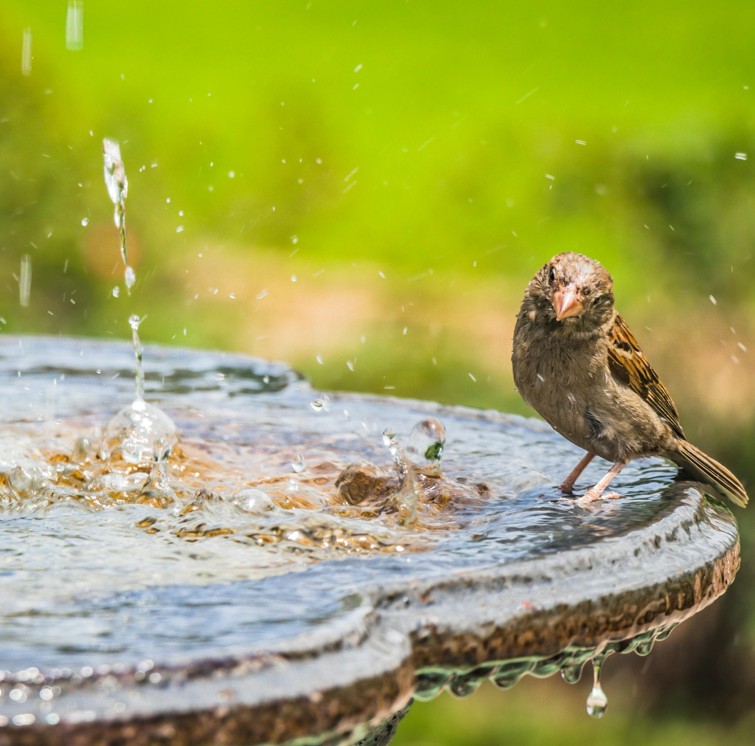
At Mulin, we believe that every landscape should support life — for people, plants, animals, and the invisible networks that sustain them. Our biodiversity-oriented design approach weaves native plants, layered habitats, and ecological processes into every project, creating spaces that are alive, resilient, and ever-changing. Through thoughtful planting and design, we restore native ecosystems and attract pollinators, birds, and beneficial insects.
Sparrow on a bird bath
Scope of support
Every landscape begins with understanding the living systems of the site.
We review structural, climatic, and ecological opportunities.
Landscape vision and ecological requirements are combined into one scheme.
Phased implementation is defined for practical delivery and care.
Expected outcomes
The page structure is intentionally calm so the content reads like a real project brief, even while the route is still being built out.
Start the conversationUrban spaces begin supporting species that were previously displaced.
People gain usable, restorative green areas in dense environments.
Design decisions support sustained growth and resilience.
Our work